
Iron in Your Water: Why It Stains, Where It Comes From, and How to Get Rid of It
- Apex Water Treatment
- Jun 29
- 2 min read
Updated: Jul 2
Those orange and rust-colored stains aren't a cleaning problem. They're a water problem.
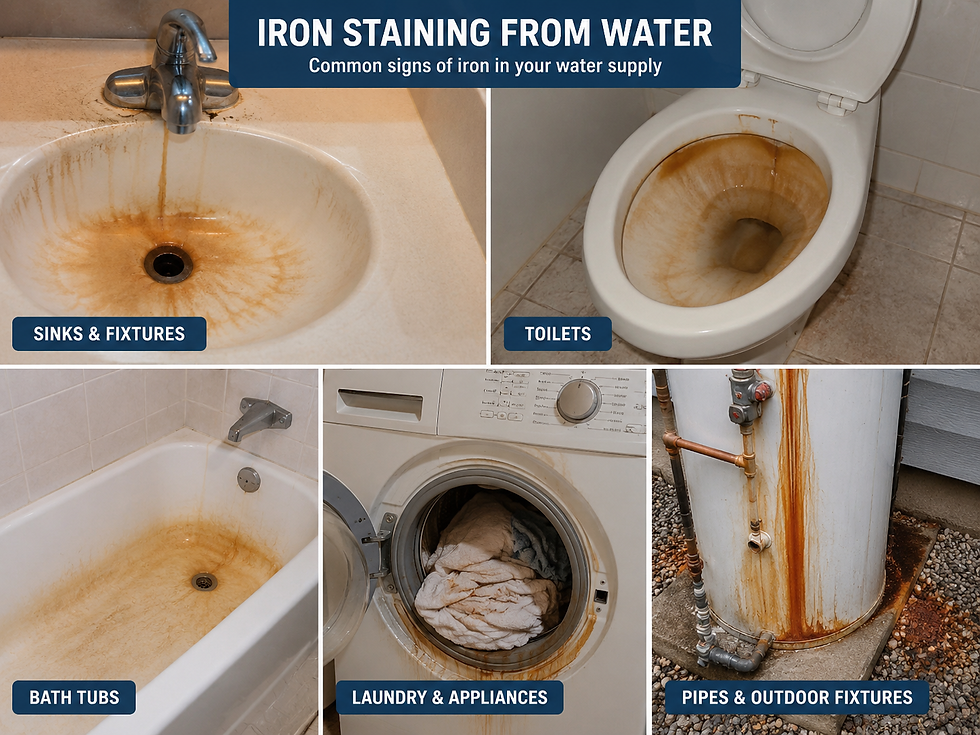
If you've ever scrubbed an orange ring out of your toilet bowl only to watch it come back within days, or noticed rust-colored streaks in your shower or on your laundry, you already know how frustrating iron in your water can be. What you might not know is that no amount of cleaning products will solve the problem permanently — because the source isn't dirt. It's your water.
Where Does Iron Come From?
Iron is one of the most abundant elements in the earth's crust. In Central Florida, well water commonly picks up iron as it passes through soil and rock formations. Even some city water supplies can carry trace amounts of iron. The result shows up in your home as staining, discoloration, and sometimes a metallic taste or smell in your water.
Iron in water typically appears in two forms. Ferrous iron — sometimes called "clear water iron" — is dissolved in the water and invisible when it first comes out of the tap. When it hits oxygen and dries on a surface, it oxidizes and turns that familiar rusty orange. Ferric iron is already oxidized when it comes out of the tap, making your water appear visibly discolored or cloudy with a reddish tint.
What Does Iron Do to Your Home?
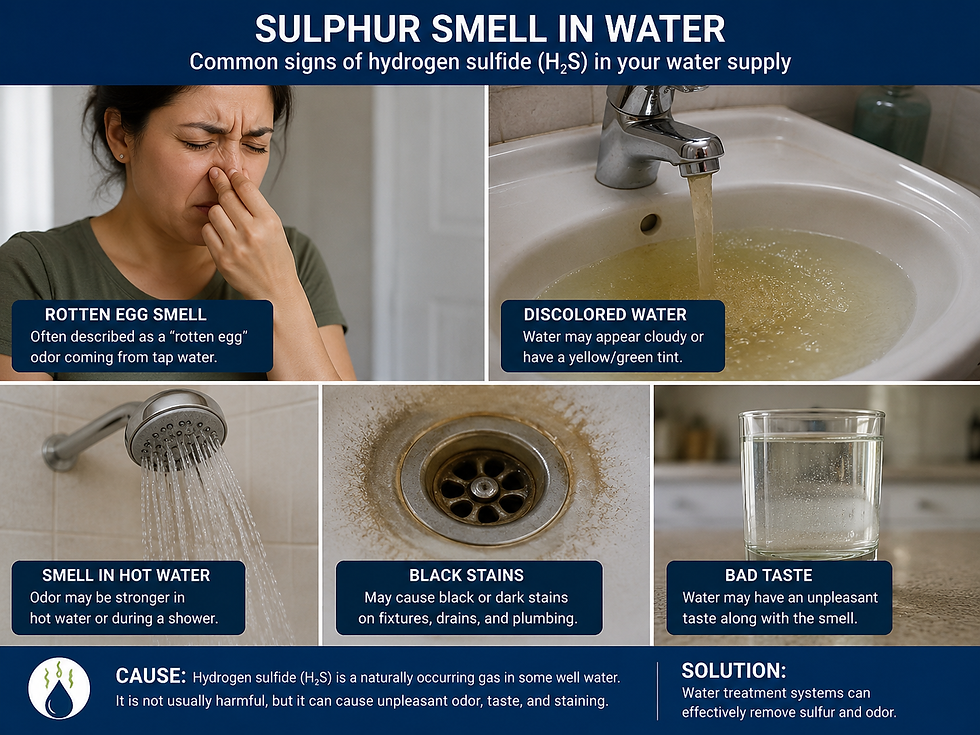
Beyond the staining — which can permanently discolor sinks, toilets, tubs, grout, and laundry — iron causes real problems for your plumbing and appliances. Iron deposits build up inside pipes and water-using equipment, restricting flow and accelerating wear. High iron levels can also feed iron bacteria, which create a slimy buildup inside pipes and tanks with a distinctly unpleasant odor.
What's the Solution?
The right iron removal solution depends on what type of iron you have, how much of it is present, and what else is going on with your water. That's why testing matters. A water test tells us the iron type, concentration, pH level, and other factors that determine which treatment approach will actually work.
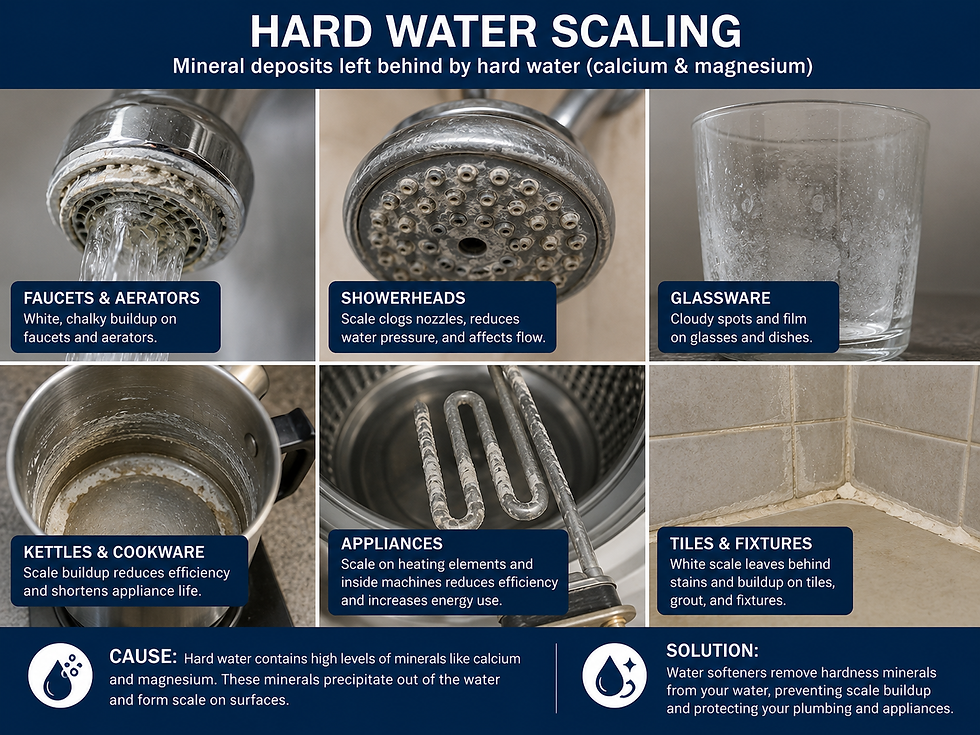
Common solutions include iron-specific filtration media, air injection oxidation systems, and water softeners with iron-rated resin — often in combination depending on the severity of the problem. There is no single universal fix for iron, which is exactly why we test before we recommend anything.
If you're dealing with iron staining, don't keep fighting it with cleaning products. Call Apex Water Treatment at 321-323-6512 or contact us online to schedule a free water test. We'll tell you exactly what's in your water and what it will take to fix it.
Comments